


10 Mar TMJ Arthroscopy: Revolutionizing Minimally Invasive TMJ Disorder Treatments
TMJ disorders, characterized by pain, clicking, and restricted movement in the jaw, are more than just inconvenient; they can significantly disrupt daily activities like eating and speaking. The temporomandibular joint (TMJ) is a complex structure that connects the jawbone to the skull, and when it malfunctions, the consequences can be profound. Imagine trying to enjoy a meal or engage in a conversation while grappling with persistent discomfort or an inability to move your jaw freely.
Traditionally, addressing TMJ disorders has involved invasive surgical procedures, but our approach has evolved significantly. TMJ arthroscopy is a minimally invasive technique that uses small incisions and specialized instruments to diagnose and treat issues within the joint. This method offers several advantages, including reduced recovery times, minimized scarring, and less post-operative discomfort. Our team utilizes state-of-the-art imaging technologies, such as Cone Beam CT scans, to create precise 3D models of the jaw structure. These models allow us to plan and execute procedures with remarkable accuracy, enhancing both the efficacy and safety of the surgery. By integrating modern imaging into our minimally invasive techniques, we ensure that every step of the process is as precise and efficient as possible.
For those experiencing TMJ disorders, the journey to relief can often feel overwhelming. However, our commitment to minimally invasive techniques means that patients can now look forward to a faster return to normal activities. Beyond the clinical benefits, the psychological impact of reduced recovery times cannot be overstated. Knowing that a procedure will allow you to resume your daily life with minimal disruption provides a significant level of reassurance. As we continue to advance our methods, the future of TMJ disorder treatments looks increasingly promising, with a focus on patient-centered care and innovative technologies that prioritize both comfort and effectiveness.
Understanding TMJ Disorders and Their Impact on Daily Life
The temporomandibular joint (TMJ) is crucial for essential functions like chewing, speaking, and yawning. When this joint becomes inflamed or damaged, it can lead to a range of symptoms that significantly affect daily life. Common issues include jaw pain, clicking or popping sounds when moving the mouth, and limited mobility in the jaw. These problems can make simple tasks such as eating, talking, and even smiling challenging.
TMJ disorders are often categorized into three main types: myofascial pain, disc displacement, and degenerative joint disease. Myofascial pain involves discomfort or inflammation of the muscles that control jaw function. Disc displacement occurs when the articular disc, which cushions the joint, slips out of place. Degenerative joint disease refers to arthritis in the TMJ, leading to chronic pain and stiffness. Each type presents unique challenges, requiring tailored approaches for effective treatment.
For many individuals, the impact of TMJ disorders extends beyond physical discomfort. Chronic pain can lead to emotional stress, anxiety, and even depression. The constant need to manage symptoms can also affect work performance and social interactions. Recognizing these broader implications is essential for providing comprehensive care that addresses both the physical and psychological aspects of TMJ disorders.
The Evolution of Minimally Invasive Techniques in Oral Surgery
The field of oral surgery has seen remarkable advancements over the years, with a significant shift towards minimally invasive techniques. Traditional surgical methods often involved large incisions and extensive tissue manipulation, leading to prolonged recovery times and increased risk of complications. However, as medical technology progressed, so did our approach to treating TMJ disorders.
Key milestones in this evolution include the introduction of endoscopes and arthroscopes. These tools allow surgeons to perform procedures through small incisions using specialized instruments and cameras. This minimizes tissue damage and reduces post-operative pain. Another significant development is the integration of advanced imaging technologies, such as Cone Beam CT scans, which provide detailed 3D images of the jaw structure.
These advancements have transformed how we diagnose and treat TMJ disorders. By combining minimally invasive techniques with precise imaging, our team can offer patients a more comfortable and efficient surgical experience. This approach not only improves outcomes but also enhances patient satisfaction by reducing recovery times and minimizing discomfort. As we continue to refine these methods, the future of oral surgery looks increasingly promising for those suffering from TMJ disorders.
How Modern Imaging Enhances Surgical Precision
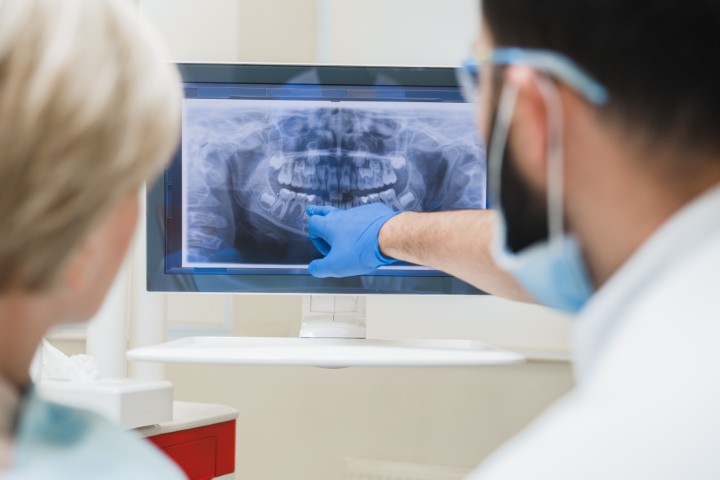
One of the most significant advancements in TMJ arthroscopy is the integration of modern imaging technologies. Traditional diagnostic methods often relied on two-dimensional X-rays, which provided limited information about the joint’s structure and function. In contrast, advanced imaging techniques like Cone Beam CT scans offer a comprehensive view of the jaw.
Cone Beam CT scans generate detailed 3D images by rotating around the patient’s head, capturing multiple angles simultaneously. These images allow our team to create precise models of the jaw structure, revealing intricate details that would otherwise go unnoticed. This level of precision is crucial for planning and executing minimally invasive procedures with exceptional accuracy.
By leveraging these imaging technologies, we can identify specific areas of concern within the TMJ and tailor treatment plans accordingly. For instance, if a patient has disc displacement, the 3D models help us determine the exact location and extent of the issue. This information guides our surgical approach, ensuring that we address the problem effectively while minimizing tissue damage.
The Procedure: What Patients Can Expect
Undergoing TMJ arthroscopy can feel challenging, but understanding what to expect during each stage of the process can alleviate many concerns. The procedure begins with a comprehensive consultation, where our team assesses your symptoms and medical history. This initial evaluation helps us determine if TMJ arthroscopy is the most appropriate treatment option for you.
Pre-surgical imaging plays a critical role in planning the procedure. Cone Beam CT scans provide detailed 3D images of your jaw structure, allowing us to create precise models that guide our surgical approach. These models help us identify specific areas of concern within the TMJ and develop a customized treatment plan tailored to your needs.
The actual arthroscopic procedure involves making small incisions in the skin near the joint, through which specialized instruments are inserted. A thin camera called an arthroscope is used to visualize the inside of the joint, providing real-time feedback during the surgery. This minimally invasive approach reduces tissue damage and minimizes post-operative pain.
Post-Surgery Care: Strategies for a Swift Recovery
The recovery process following TMJ arthroscopy is generally shorter and more comfortable compared to traditional surgical methods. However, proper post-operative care is essential for ensuring optimal results and minimizing complications. Our team provides detailed instructions on how to manage your recovery effectively.
Key strategies include adhering to prescribed medication regimens, engaging in gentle physical therapy exercises, and monitoring for any signs of infection or other issues. Following these guidelines helps promote healing and reduces the risk of post-operative complications. Regular follow-up appointments allow us to track your progress and make adjustments as needed.
In addition to medical care, patient education plays a crucial role in recovery. Understanding what to expect during the healing process can alleviate anxiety and ensure that you adhere to recommended practices. Our team is committed to providing comprehensive support throughout your recovery journey, ensuring that you receive the best possible care.
Evaluating Patient Eligibility and Customized Care
Determining whether TMJ arthroscopy is the right treatment option for a patient involves assessing several factors. These include the severity of symptoms, previous treatment outcomes, and overall health status. Our team conducts thorough evaluations to ensure that each patient receives personalized care tailored to their unique needs.
Eligibility criteria typically focus on patients who have not responded well to conservative treatments such as medication or physical therapy. In these cases, minimally invasive procedures like TMJ arthroscopy offer a viable alternative for addressing persistent symptoms. Additionally, patients with specific conditions, such as disc displacement or degenerative joint disease, may be better suited for this approach.
Our commitment to customized care means that we develop treatment plans based on individual patient needs. This includes considering factors such as age, overall health, and lifestyle when recommending procedures. By tailoring our approach, we ensure that each patient receives the most effective and personalized treatment possible. Our goal is to provide comprehensive support throughout every stage of the process, from initial consultation to post-operative care.
Contact Wolf Oral & Maxillofacial Surgery for Expert Care
If you or a loved one are experiencing symptoms of TMJ disorders, it’s essential to seek professional help promptly. Our team at Wolf Oral & Maxillofacial Surgery is dedicated to providing expert care and support throughout your treatment journey. We offer state-of-the-art diagnostic tools, minimally invasive procedures, and personalized care plans tailored to your unique needs.
Don’t let TMJ disorders disrupt your daily life any longer. Take the first step towards relief by scheduling a consultation with our experienced team. Together, we can develop a comprehensive treatment plan that addresses your symptoms effectively and helps you regain control of your oral health.