

03 Nov Rediscover Comfort: How TMJ Arthroscopy at Wolf Oral & Maxillofacial Surgery Can Transform Your Everyday Life
When you’re living with jaw pain, it’s not just a “jaw problem.” The discomfort seeps into everything — your workday, your sleep, the simple pleasure of enjoying a meal, and even your sense of self. Many patients come to Wolf Oral & Maxillofacial Surgery after months or even years of frustration, searching for answers about their mysterious jaw pain, popping, locking, or headaches. Often, these patients have tried every splint, every painkiller, every diet change — yet the pain returns, stubborn as ever. For those people, there’s hope in something they may not have considered: TMJ arthroscopy, a precise, minimally invasive procedure that can finally address the true cause of their suffering — and help them reclaim their freedom to live fully, comfortably, and confidently.
The temporomandibular joint (TMJ) is one of the most intricate joints in the body. It’s a tiny hinge that does a huge amount of work. It allows your jaw to open, close, move side to side, and slide forward and back. All of this depends on a delicate balance of muscles, ligaments, cartilage, and the small disc that cushions the joint as it moves. But when that harmony is disturbed — whether by injury, arthritis, stress, misalignment, or wear and tear — pain and dysfunction can set in quickly. TMJ disorders don’t just stay put in the jaw; they radiate into neck tension, earaches, headaches, and sometimes chronic migraines that steal hours from your days and nights alike.
At Wolf Oral & Maxillofacial Surgery, we know firsthand how exhausting TMJ problems can be — and how overwhelming it is to sift through the options. Many patients arrive feeling skeptical, having been told to “live with it” or that surgery is a last resort. It’s true that conservative care should come first. For mild to moderate TMJ issues, non-invasive approaches often bring real relief: nightguards to reduce clenching, physical therapy to strengthen supporting muscles, stress management to ease tension, anti-inflammatories to calm swelling. These treatments work well for many people — but for others, the real problem lies deeper inside the joint, where a splint or massage simply can’t reach.
This is where TMJ arthroscopy comes in. Unlike older, more invasive open-joint surgeries, arthroscopy offers a way for skilled oral surgeons to see directly inside the TMJ with a tiny fiber-optic camera and specialized micro-instruments. Through one or two small punctures near the ear, the surgeon can explore the joint, diagnose exactly what’s wrong, and in many cases, treat the issue right then and there. It’s a revolutionary option that combines precision and minimal downtime — and for patients whose daily lives are ruled by jaw pain, it can feel like the start of a new chapter.
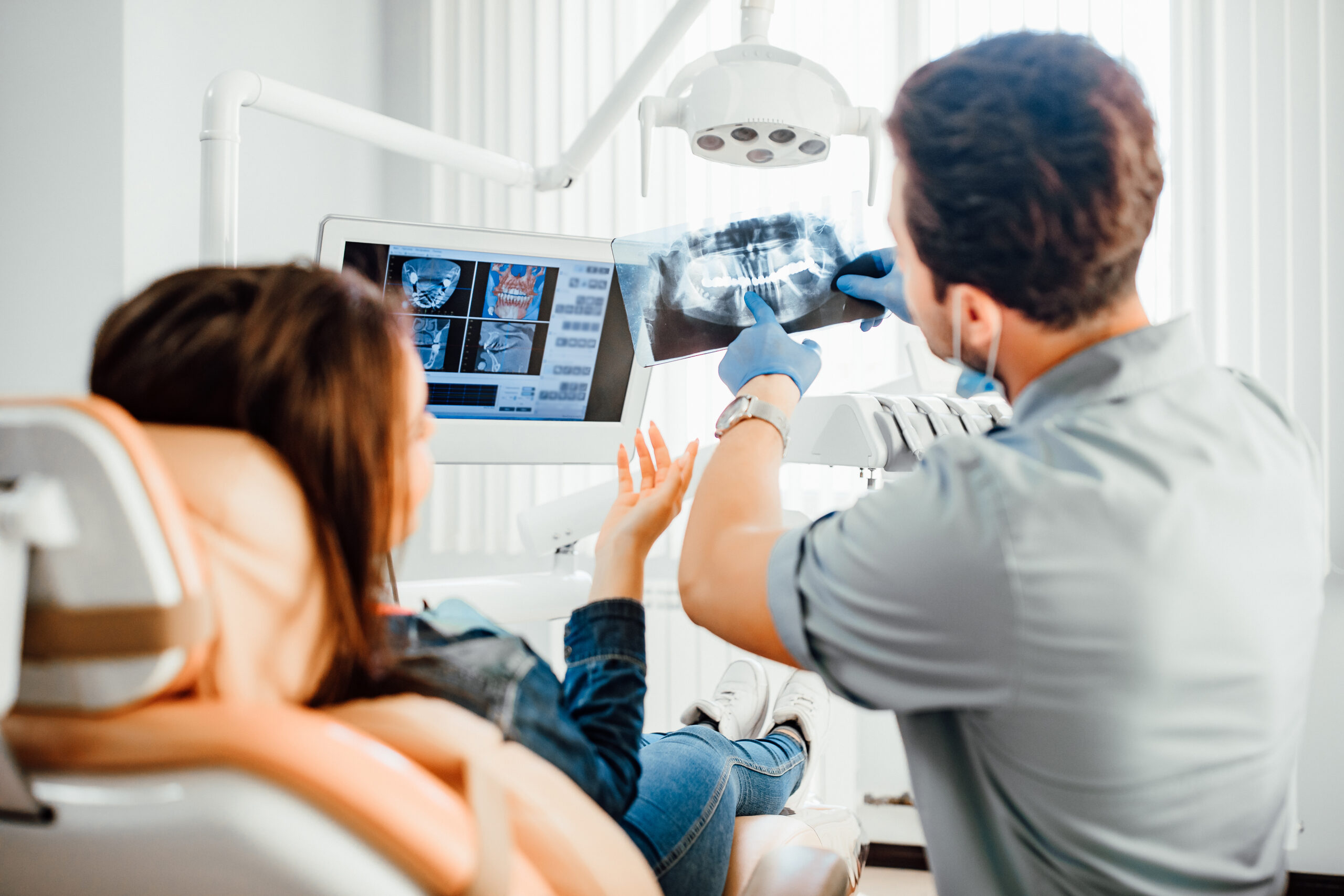
Too often, patients hesitate when they hear the word “surgery.” It’s understandable — nobody wants to sign up for unnecessary procedures. But TMJ arthroscopy isn’t about dramatic incisions or a long hospital stay. It’s a modern, outpatient procedure designed to restore function while protecting healthy tissue. At Wolf Oral & Maxillofacial Surgery, our experienced team walks patients through every detail. We start with advanced imaging — MRIs or CT scans — to assess the joint’s condition and rule out other causes of pain. Then, if arthroscopy makes sense, we plan every step meticulously. Patients rest comfortably under general anesthesia while the surgeon works through tiny incisions to wash out inflammation, remove debris, free up scar tissue, reposition a displaced disc, or smooth rough cartilage — all while viewing the joint on a high-definition screen.
For many people, the biggest surprise is just how smooth the recovery can be. Mild swelling and tenderness are normal for a few days, but most patients are up and about shortly after. They often find they can eat soft foods, speak normally, and ease back into work and social activities far sooner than they expected. Our team provides personalized aftercare instructions, gentle jaw exercises, and follow-ups to make sure the healing stays on track. We never rush our patients — instead, we guide them step by step toward stronger, smoother function.
The benefits go beyond physical relief. Chronic TMJ problems chip away at self-esteem and daily joy. Imagine not dreading every bite of a sandwich, not worrying your jaw will lock mid-conversation, not needing to explain why you can’t join in for dinner or a night out because your head and jaw ache too much. TMJ arthroscopy isn’t a magic fix for everyone — but for the right patient, it’s a doorway back to normalcy and confidence. At Wolf Oral & Maxillofacial Surgery, we find that one of the most rewarding moments is seeing a patient return weeks later, smiling and talking freely, no longer bracing for pain with every word or chew.
Modern TMJ arthroscopy has come a long way since its beginnings decades ago. Early open-joint procedures were invasive and carried greater risks. But advances in tools and techniques mean today’s arthroscopy is safer, faster, and more precise than ever. Our surgeons stay current on the latest research, always refining our methods so we can offer the best possible outcomes. And we believe just as strongly in educating our patients — because informed patients make confident decisions. During a consultation, we’ll explain the details clearly: the anatomy, what we see on your scans, how the procedure works, what to expect in recovery, and what success really looks like for your unique case.
There are also many myths we like to clear up when people ask about TMJ arthroscopy. One common misconception is that TMJ surgery always means weeks of swelling and discomfort. In reality, many people return to normal activities within days. Another myth is that TMJ disorders always come from stress or teeth grinding alone. While stress can aggravate jaw tension, structural problems inside the joint often play a bigger role. Some patients fear that if they try surgery and it “doesn’t work,” they’ll have no other options — but in truth, arthroscopy can actually help refine a diagnosis and guide further treatment if needed. For many patients, it’s a stepping stone that provides both relief and clarity.
Timing matters, too. Many people find summer to be an ideal season for addressing TMJ pain. With more flexible schedules, vacation days, and warmer weather that helps ease muscle tension, recovery can feel more manageable than in the busy, colder months. Summer also means more social events and meals — moments where you want to be pain-free, not distracted by your jaw’s stubborn clicking or soreness. Investing in relief during this season means walking into the fall and winter with newfound comfort and confidence.
When it comes to surgery on something as delicate as your jaw joint, skill and experience matter. Our team at Wolf Oral & Maxillofacial Surgery doesn’t just perform the procedure — we partner with each patient to ensure they feel supported from consultation to recovery. We know that living with TMJ pain is more than an inconvenience; it’s an invisible burden that others can’t always see but you feel every time you speak or eat. Our mission is to help lift that burden so you can get back to focusing on the moments that matter most.
So, if you’re someone who’s been grinding through jaw pain for years — trying nightguards, heat packs, medications, and everything in between — but still not getting lasting relief, it may be time to explore a new path. TMJ arthroscopy isn’t for everyone, but for the right patient, it can mean the difference between coping and truly healing. Imagine meals without wincing, conversations without self-consciousness, sleep without that deep, aching tightness. Imagine living without your jaw pain defining your days.
At Wolf Oral & Maxillofacial Surgery, we’re here to help you take that step forward with confidence and clarity. If you’re ready to learn whether TMJ arthroscopy could finally be the answer you’ve been searching for, reach out to us today. Let’s talk about your story, your symptoms, and your goals. Together, we’ll create a plan to restore the comfort, function, and freedom you deserve — so you can rediscover the simple joy of living pain-free, one bite, one laugh, and one conversation at a time.
FAQ’S
What is TMJ arthroscopy and how is it different from open joint surgery?
TMJ arthroscopy is a minimally invasive surgical procedure used to diagnose and treat problems within the temporomandibular joint. Unlike open joint surgery, which involves making a larger incision to fully expose the joint, arthroscopy uses a small camera (arthroscope) and tiny instruments inserted through one or more small incisions. This results in less tissue disruption, smaller scars, and typically a quicker recovery.
How do I know if I’m a candidate for TMJ arthroscopy?
Not everyone with TMJ pain needs surgery. Many people find relief with conservative treatments like splints, medication, or physical therapy. TMJ arthroscopy is usually considered for patients who continue to have significant pain, locking, or limited movement despite trying these treatments. A consultation with our oral surgeon, along with diagnostic imaging, will help determine if arthroscopy is the right option for you.
What conditions can TMJ arthroscopy treat?
TMJ arthroscopy is used to treat several issues, including inflammation (synovitis), scar tissue or adhesions inside the joint, displaced or damaged discs, excess fluid buildup, or rough cartilage surfaces. It can help reduce pain, restore smoother movement, and prevent the joint from locking.
Will I be awake during the procedure?
No. TMJ arthroscopy is performed under general anesthesia to ensure you’re completely comfortable and pain-free throughout the procedure.
What is the recovery like after TMJ arthroscopy?
Most patients experience some mild swelling and soreness for a few days after surgery. Because the procedure is minimally invasive, recovery is generally faster than with open joint surgery. Many people return to normal light activities within a few days. Our team will provide detailed instructions for caring for the incision sites, managing discomfort, and doing gentle exercises to restore jaw movement.
Are there risks with TMJ arthroscopy?
All surgical procedures carry some risks, but complications from TMJ arthroscopy are relatively rare. Possible risks include infection, temporary nerve injury, bleeding, or the need for additional treatment if the problem is more complex than expected. Our surgeons use advanced techniques and careful planning to minimize these risks.
How soon will I feel better after the procedure?
Many patients notice an improvement in pain and movement within a few weeks, although full recovery can take several months as the joint continues to heal and regain strength. Sticking to your post-operative care plan, including any recommended physical therapy, is important for the best outcome.
Does insurance cover TMJ arthroscopy?
Insurance coverage can vary depending on your plan and medical necessity. Our team will work with you and your insurance provider to determine coverage and help you understand any out-of-pocket costs.
Why should I choose Wolf Oral & Maxillofacial Surgery for TMJ treatment?
Our practice combines advanced surgical training with years of experience treating complex TMJ disorders. We use the latest technology to ensure accurate diagnosis and minimally invasive techniques for the best possible results. Just as importantly, we believe in clear communication and compassionate care — so you feel supported every step of the way.
How do I schedule a consultation?
If you’re experiencing jaw pain, clicking, locking, or other TMJ issues, we encourage you to contact Wolf Oral & Maxillofacial Surgery today to schedule a thorough evaluation. Together, we’ll determine the right treatment plan to help you find lasting relief and get back to living comfortably.