

01 Mar TMJ Replacement: A Comprehensive Guide to Custom-Fitted Prosthetic Solutions
We all know the sensation of discomfort in the jaw, the subtle clicking or grinding that accompanies a bite. For most, these are minor inconveniences. But for others, these symptoms escalate into a condition known as temporomandibular joint (TMJ) disorder. When TMJ dysfunction becomes severe, the temporomandibular joint itself can deteriorate to the point that replacement becomes a viable solution.
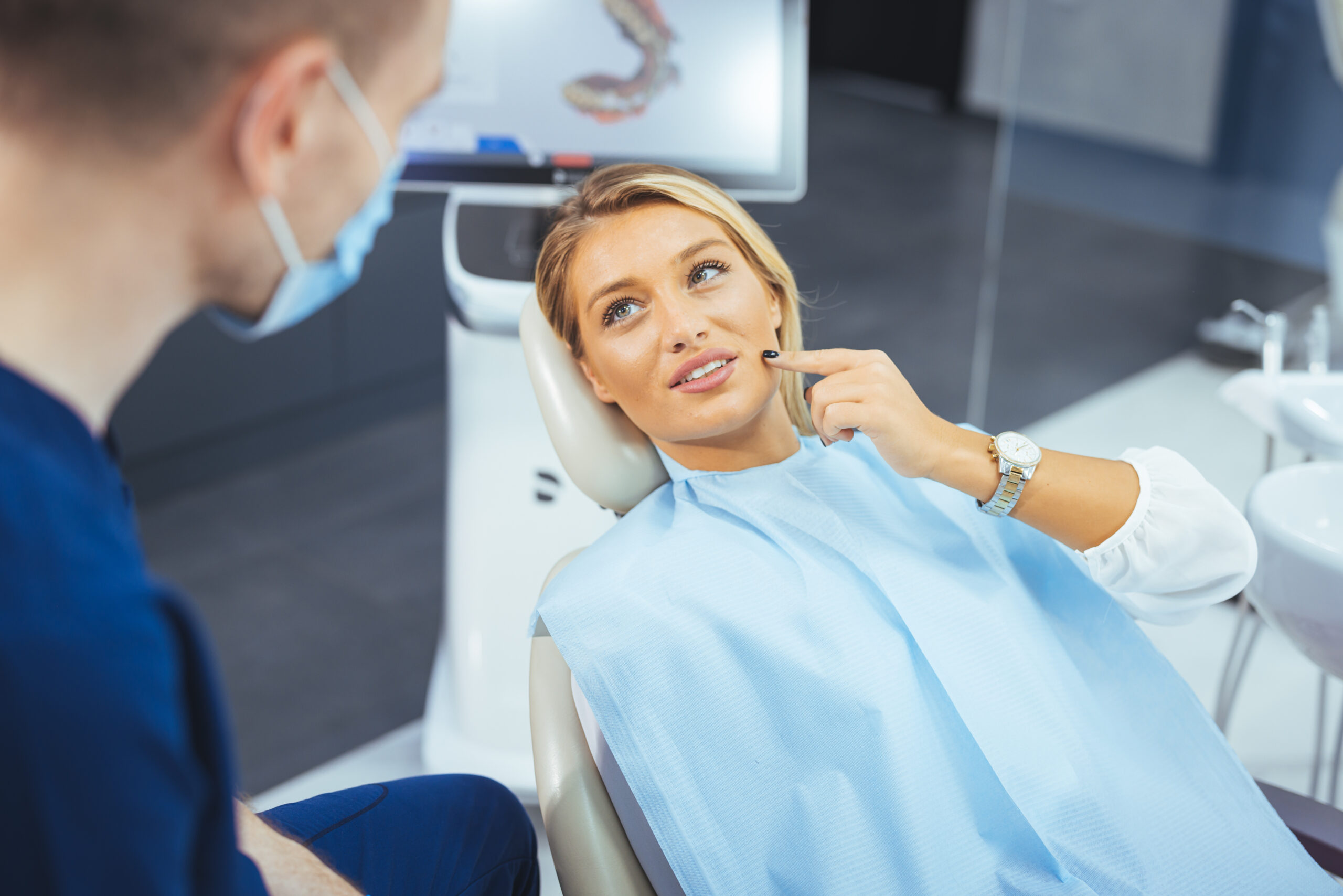
Our TMJ replacement procedure is a sophisticated solution that involves a custom-fitted prosthesis designed to mimic the natural function of the joint. Unlike traditional methods that may rely on generic components, our approach leverages patient-specific imaging and advanced materials science to create a tailored prosthesis that fits perfectly. The process begins with a detailed consultation, during which we evaluate the patient’s condition through a series of imaging tests, such as CT scans. These scans provide the basis for creating a 3D model of the joint, which guides the fabrication of the custom prosthesis. The materials used in these prostheses are carefully selected for their biocompatibility, ensuring that the implant integrates seamlessly with the surrounding tissues. This level of precision and customization not only improves the outcome but also enhances the overall patient experience.
As we explore the benefits and intricacies of TMJ replacement, it’s important to acknowledge the broader implications of this procedure. For many, TMJ disorders can significantly impact quality of life, affecting everything from eating and speaking to sleep and overall well-being. By understanding the nuances of TMJ replacement, we can provide individuals with a pathway to regain functionality and comfort. This procedure represents a significant advancement in the treatment of severe TMJ disorders, offering a solution that can transform lives. Through our expertise and commitment to excellence, we strive to make this process as seamless and beneficial as possible for every patient we serve.
Understanding TMJ Disorders and the Need for Replacement
The temporomandibular joint is a complex structure that connects the jawbone to the skull. It facilitates essential functions such as chewing, speaking, and yawning. However, this joint can become dysfunctional due to various factors, including injury, arthritis, or wear and tear over time.
When TMJ disorders progress to advanced stages, they can cause significant pain and discomfort. Patients may experience difficulty opening the mouth fully, persistent headaches, or a clicking sound when moving the jaw. In severe cases, the joint may become so damaged that it requires surgical intervention. This is where TMJ replacement comes into play as an effective solution.
TMJ replacement involves removing the damaged joint and replacing it with a custom-fitted prosthesis. The procedure can significantly improve joint function and alleviate symptoms such as pain and discomfort. This surgery represents one of the most advanced treatments available for severe TMJ disorders, offering patients the chance to regain their quality of life.
Over the years, advancements in surgical techniques and materials have revolutionized TMJ replacement. Early methods involved using metal components or other rigid materials that lacked biocompatibility. Today’s prostheses are crafted from highly durable, biocompatible materials designed to mimic the natural movement of the joint. These materials reduce the risk of rejection by the body and enhance the longevity of the implant.
The evolution of TMJ replacement surgery has been marked by significant milestones. From the use of basic metal implants to the development of sophisticated, patient-specific prostheses, this field has seen remarkable progress. The introduction of 3D imaging technology has allowed for precise measurements and customization, ensuring that each prosthesis fits perfectly within the patient’s anatomy. This level of precision not only improves surgical outcomes but also reduces recovery time.
As we continue to advance our understanding of TMJ disorders and replacement surgery, it is crucial to recognize the importance of early intervention. Addressing symptoms promptly can prevent the progression of the disorder and mitigate the need for more invasive treatments. By staying informed about the latest advancements in this field, patients can make educated decisions about their treatment options.
The Process Behind Custom-Fitted Prostheses
TMJ replacement surgery is a meticulous process that begins with an initial consultation. During this phase, our team conducts a thorough evaluation of the patient’s condition using advanced imaging techniques such as CT scans and MRI. These tests provide detailed information about the joint structure, allowing us to create precise 3D models.
Once we have the necessary data, we proceed with designing the custom-fitted prosthesis. This step involves leveraging cutting-edge technology and materials science to craft a component that perfectly mimics the natural function of the joint. The materials used in these prostheses are chosen for their biocompatibility and durability, ensuring long-term success.
Fabrication begins by translating the 3D model into physical components through additive manufacturing techniques like 3D printing or CNC machining. These methods allow us to create complex shapes with high precision, ensuring an exact fit within the patient’s anatomy. The final prosthesis undergoes rigorous quality control checks before being implanted.
The process of designing and fabricating a custom-fitted TMJ prosthesis is a testament to the advancements in medical technology and materials science. It begins with a comprehensive evaluation using imaging techniques such as CT scans, which provide detailed information about the patient’s joint structure. This data serves as the foundation for creating an accurate 3D model of the joint.
Once we have the 3D model, we can design the prosthesis to fit perfectly within the patient’s anatomy. The materials used in these prostheses are carefully selected for their biocompatibility and durability. Common materials include titanium alloys, which offer excellent strength-to-weight ratios and resistance to corrosion. Additionally, some prostheses may incorporate polyethylene components that provide smooth surfaces for joint movement.
Fabrication of the prosthesis involves translating the 3D model into physical components using advanced manufacturing techniques like 3D printing or CNC machining. These methods allow us to create intricate shapes with high precision, ensuring an exact fit within the patient’s anatomy. The final prosthesis undergoes rigorous quality control checks before being implanted.
Evaluating Patient Suitability for TMJ Replacement
The decision to undergo TMJ replacement surgery is not one that should be taken lightly. It requires careful consideration and a thorough evaluation of the patient’s condition. Several factors contribute to determining whether a patient is an ideal candidate for this procedure.
Diagnostic procedures such as imaging tests (e.g., CT scans, MRIs) play a crucial role in assessing the extent of joint damage. These tests provide detailed information about the structure and function of the temporomandibular joint, allowing us to make informed decisions about treatment options. Additionally, physical examinations help identify any underlying issues that may affect surgical outcomes.
Patient history is another important consideration when evaluating suitability for TMJ replacement. Factors such as previous surgeries, medical conditions, and medications can influence the decision-making process. A comprehensive assessment of these factors ensures that patients receive personalized care tailored to their unique needs.
To determine if a patient is suitable for TMJ replacement surgery, we conduct a series of diagnostic procedures including imaging tests such as CT scans and MRIs. These tests provide detailed information about the structure and function of the temporomandibular joint, helping us assess the extent of damage and plan the surgical approach.
Physical examinations are also an essential component of the evaluation process. During these exams, our team assesses the range of motion in the jaw, identifies any areas of tenderness or swelling, and evaluates overall oral health. This information helps us determine if TMJ replacement surgery is the most appropriate treatment option for the patient.
Patient history plays a significant role in evaluating suitability for TMJ replacement surgery. We consider factors such as previous surgeries, medical conditions, and medications that may impact surgical outcomes or recovery. By taking these aspects into account, we can tailor our approach to meet each patient’s unique needs and ensure optimal results.
What to Expect During Recovery
After undergoing TMJ replacement surgery, the road to recovery begins with immediate postoperative care. Pain management is a top priority during this phase, as patients may experience discomfort due to the surgical procedure. We provide appropriate pain medication and monitor vital signs closely to ensure patient comfort.
Wound care is another critical aspect of postoperative care. Keeping the surgical site clean and free from infection is essential for successful healing. Patients are given detailed instructions on how to care for their wound, including when to change dressings and what signs to look out for that may indicate complications.
As patients progress through recovery, they will gradually regain functionality in their jaw. Physical therapy plays a vital role during this phase, helping to restore range of motion and strength. Our team works closely with each patient to develop a personalized rehabilitation plan that addresses their specific needs.
The immediate postoperative period is crucial for ensuring a smooth recovery following TMJ replacement surgery. Pain management strategies are implemented to alleviate discomfort caused by the procedure. Medications such as analgesics or anti-inflammatory drugs may be prescribed based on individual needs and tolerance levels.
Wound care is another critical aspect of postoperative management. Keeping the surgical site clean helps prevent infections, which can compromise healing. Patients receive detailed instructions on how to change dressings regularly and recognize signs of potential complications, such as redness, swelling, or discharge from the wound.
As patients progress through their recovery journey, they will begin physical therapy to regain functionality in their jaw. This phase involves exercises designed to improve range of motion and strength gradually. Our team works closely with each patient to develop a personalized rehabilitation plan tailored to their specific needs and goals.
Comparing TMJ Replacement with Alternative Treatments
When considering treatment options for temporomandibular joint disorders, it’s essential to weigh the benefits and limitations of various approaches. Non-surgical interventions such as physical therapy and medication can provide relief from symptoms without invasive procedures.
Physical therapy focuses on strengthening the muscles around the jaw and improving flexibility. This approach can be particularly effective for patients experiencing mild to moderate TMJ dysfunction. Medications, including pain relievers and anti-inflammatory drugs, may also help alleviate discomfort associated with TMJ disorders.
For more severe cases of TMJ dysfunction, surgical procedures like arthroscopy or open joint repair might be considered. These interventions aim to address underlying issues within the joint itself, potentially restoring function without requiring full replacement.
When exploring treatment options for temporomandibular joint (TMJ) disorders, it’s essential to consider both non-surgical and surgical alternatives before opting for TMJ replacement. Non-invasive methods such as physical therapy and medication can alleviate symptoms effectively in many cases.
- Physical Therapy: This approach focuses on strengthening the muscles around the jaw and improving flexibility through targeted exercises. Physical therapy is often recommended for patients experiencing mild to moderate TMJ dysfunction, as it helps reduce pain and enhance overall function without requiring surgery.
- Medication: Over-the-counter or prescription medications can also provide relief from symptoms associated with TMJ disorders. Pain relievers like ibuprofen or acetaminophen help manage discomfort, while muscle relaxants may alleviate tension in the jaw area.
Surgical interventions represent another category of treatment options for TMJ dysfunction. These procedures are typically considered when non-surgical methods have failed to provide adequate relief or if there is significant joint damage present. Arthroscopy involves inserting a small camera into the joint space, allowing surgeons to visualize internal structures and perform minor repairs.
Our Commitment to Excellence in TMJ Replacement
At Wolf Oral & Maxillofacial Surgery, we understand that undergoing any surgical procedure can be challenging. That’s why our team is dedicated to providing state-of-the-art care throughout every step of the process.
We prioritize patient-centered care, ensuring that each individual receives personalized attention tailored to their unique needs and concerns. Our expertise in TMJ replacement surgery is backed by years of experience and continuous learning efforts, keeping us at the forefront of oral surgery innovation.
Our team comprises highly skilled professionals who are passionate about delivering exceptional results. We stay updated with the latest advancements in medical technology and surgical techniques to ensure that our patients receive the best possible care.
Contact Us Today
If you or someone you know is considering TMJ replacement surgery, we invite you to reach out to Wolf Oral & Maxillofacial Surgery. Our team of experts is ready to guide you through every step of the process, from initial consultation to post-operative care.